

Favorite of Stadiums: Hybrid Grass
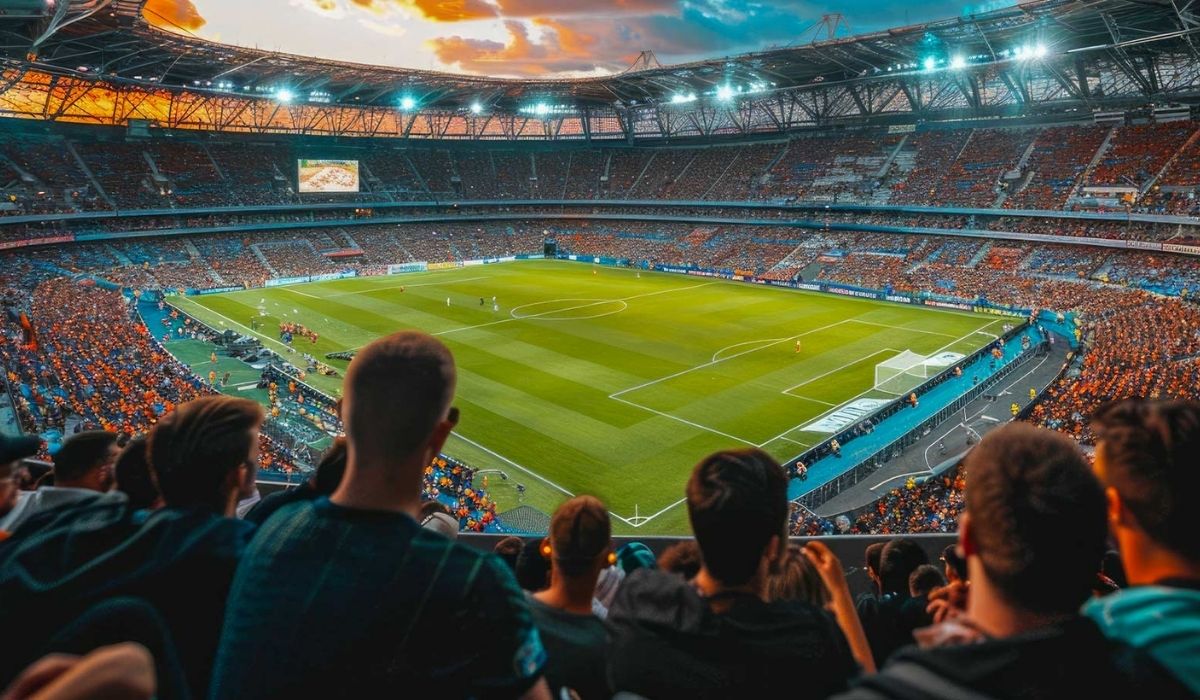
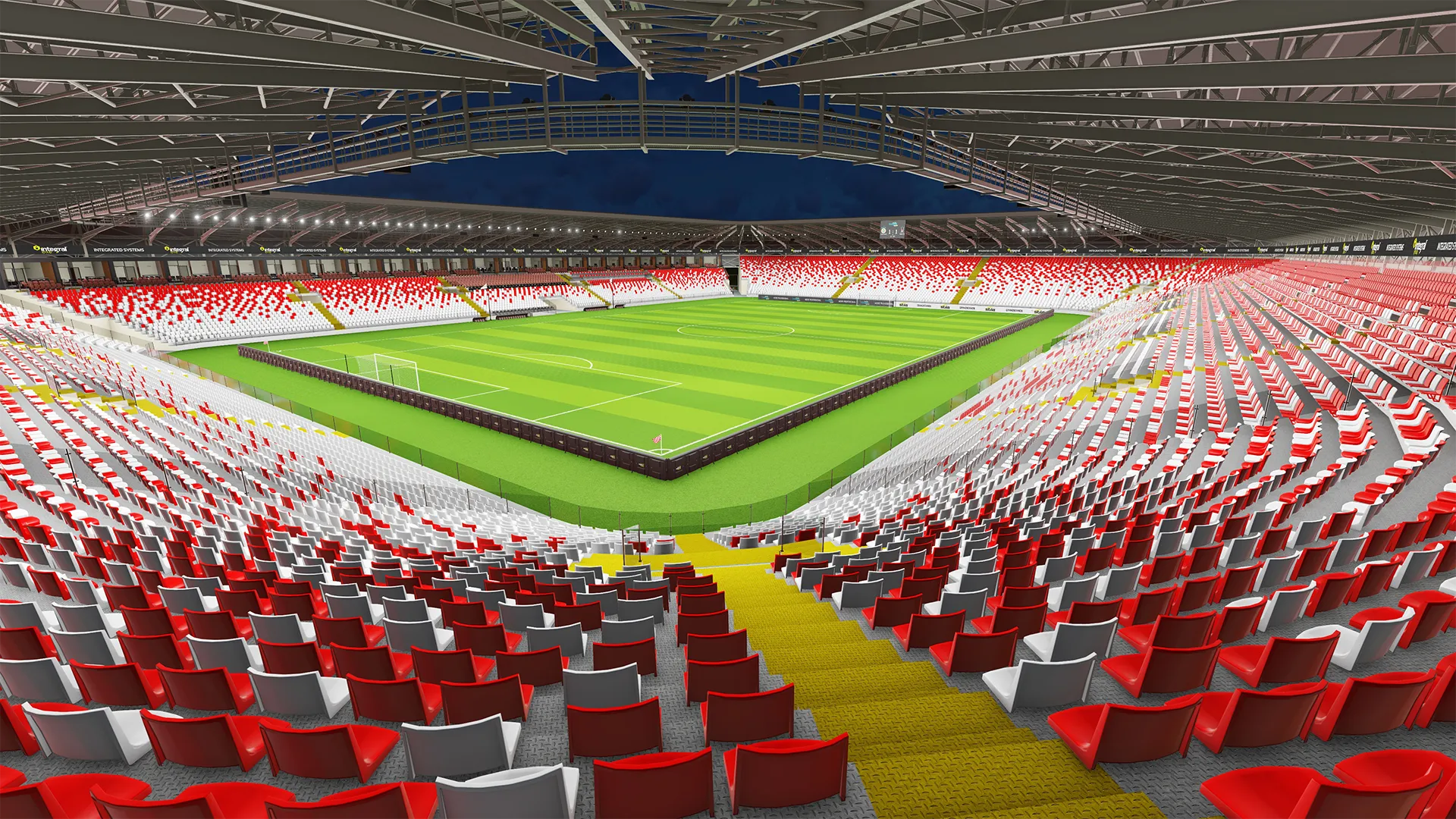
Modern sports architecture demands high-performance surfaces capable of enduring intense matches while maintaining absolute structural integrity. Hybrid grass (or reinforced natural turf) has emerged as the premier surface solution for new-generation stadiums, effectively mitigating the severe microclimatic challenges of enclosed arenas. Natural pitch systems often degrade rapidly due to insufficient internal airflow and restricted sunlight penetration, creating astronomical maintenance overheads.
To eliminate these limitations, modern sports complexes combine the bio-mechanical benefits of natural blades with the mechanical strength of synthetic fibers. Implementing a professional hybrid turf grass field guarantees supreme pitch planarity, stable ball roll, enhanced player traction, and unmatched structural comfort under intensive competitive play. As a premier international contractor and manufacturer, Integral Spor engineers state-of-the-art hybrid surfaces designed to shorten pitch regeneration cycles and significantly reduce operational lifetime costs for elite sporting venues worldwide.
The Engineering and Science Behind Hybrid Grass Production
The core structural objective of hybrid grass production is to provide a protective, reinforced ecosystem for the plant’s organic crown and root system. In standard natural fields, heavy player pivots compress the sub-surface soil, leading to root asphyxiation and turf death. Hybrid systems prevent this via two primary methodologies: Stitched (Injected) Systems and Pre-manufactured Carpet Systems.
During the integration process, natural grass roots intertwine deeply with specialized synthetic fibers woven into or injected 18cm to 20cm deep into a calibrated rootzone matrix (typically a precise mixture of silica sand, peat, and organic soil amendments). This intertwining creates a high-traction microclimate area that accelerates turf regrowth and enhances surface shear strength. Professional football clubs, municipal stadiums, and multi-purpose arenas heavily prioritize hybrid turf technology because it functions as a highly ecological, bio-engineered system that remains visually and structurally flawless through brutal winter freezes or extreme summer heatwaves.
Technical Specifications: Stitched vs. Carpet Hybrid Turf
To help stadium architects, developers, and sports ministries choose the precise infrastructure for their capital investment, here is the official technical breakdown of the two core hybrid grass types manufactured and installed by Integral Spor:
| Technical Characteristic | Stitched / Injected Hybrid Grass | Carpet-Based (Lay-and-Play) Hybrid Grass |
|---|---|---|
| Execution Methodology | Specialized computer-guided machines inject synthetic fibers 20cm deep into a pre-grown natural turf rootzone at 2cm x 2cm grid intervals. | Synthetic fibers are tufted into a highly porous geotextile backing grid at the factory, laid on-site, and overseeded with natural grass. |
| Synthetic Material Structure | 100% Polyethylene (PE) monofilament fibers, highly flexible and UV-stabilized. | Polypropylene (PP) or Polyethylene (PE) open-matrix backing with resilient grass blades. |
| Playing Hours Capacity | Up to 1,000+ operational hours per season (3-4x more than pure natural grass). | Up to 600-800 operational hours per season depending on sub-base stabilization. |
| Installation Timeline | Requires 10-14 days of specialized on-site machinery injection followed by grass grow-in. | Fast-track installation. Instant "Lay-and-Play" capabilities make it ideal for mid-season turf replacements. |
| Primary Application | Elite international stadiums, World Cup venues, Premier League training grounds. | Multi-purpose municipal stadiums, concert arenas, and high-traffic multi-sport facilities.v |
Key Structural Advantages of Hybrid Turf Over Natural Grass
When comparing hybrid grass vs natural grass, the technical and financial performance metrics lean heavily in favor of reinforced engineering. Pure natural grass pitches simply lack the shear strength to endure continuous high-velocity movements, resulting in expensive pitch replacements every season. Implementing stitched hybrid grass provides elite operational benefits:
- Drastic Mitigation of Surface Wear: Even under high-intensity sliding tackles and heavy scrum formations, the synthetic fibers lock the rootzone in place, eliminating unsightly divots and surface tears.
- Absolute Surface Homogeneity: Guarantees a perfectly level, continuous pitch envelope without mud puddles or uneven depressions, completely minimizing player ankle and knee hyperextension risks.
- Accelerated Biological Regeneration: The synthetic framework acts as a structural stabilizer, allowing the live natural grass to recover and regenerate significantly faster after intensive match usage.
- Multi-Use Commercial Monitization: The reinforced surface safely handles heavy external physical pressures, allowing clubs to host non-sporting commercial events, live concerts, and corporate exhibitions to generate massive additional revenue streams.
- Climatic Resilience: Advanced sub-base heating and drainage perforation under the hybrid matrix allow for total water permeability and frost protection across all four seasons.
Global Elite Adoption: Hybrid Grass in Modern Stadiums
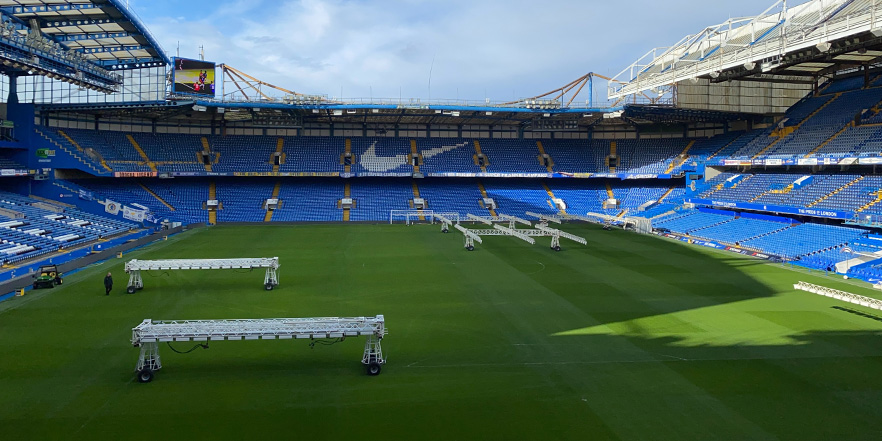
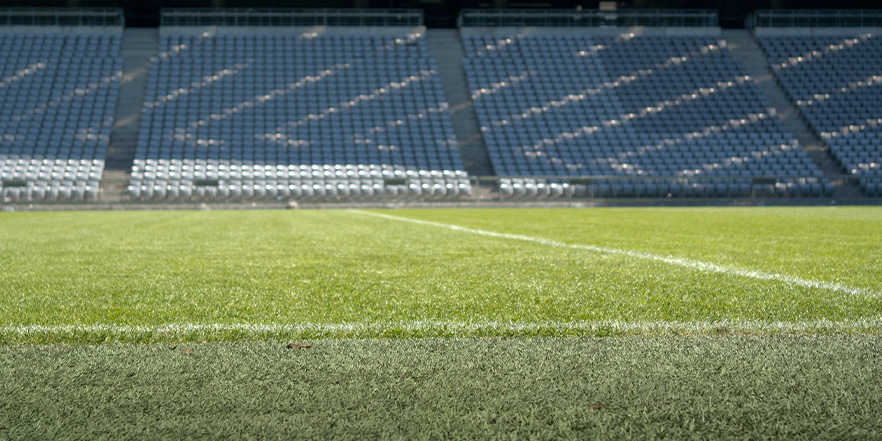
Due to its supreme operational reliability, hybrid turf has become mandatory for elite-level European leagues and major FIFA/UEFA tournaments. Industry data confirms that 100% of teams competing in the English Premier League utilize advanced hybrid reinforcement across their main arenas and training academies. Globally celebrated venues employing a hybrid grass stadium layout include elite arenas such as the Emirates Stadium (Arsenal), the Etihad Stadium (Manchester City), Old Trafford (Manchester United), and the Tottenham Hotspur Stadium, alongside major sporting hubs across Europe, South America, and the GCC region.
Turnkey Project Sourcing and Hybrid Grass Costs
Calculating the final hybrid grass cost for a stadium installation requires a thorough evaluation of project-specific engineering variables. Turnkey pricing fluctuates based on total square meterage, the specific selection of turf seed varietals (such as Perennial Ryegrass or Bermuda configurations tailored to local climates), localized civil excavation requirements, sub-base drainage/heating grids, and whether a Stitched Injection or Pre-manufactured Carpet system is deployed.
While the initial capital expenditure of hybrid turf is higher than basic sodding, it drastically lowers ongoing landscaping labor, chemical fertilizers, and watering costs. This provides a rapid amortization rate and extends pitch usability by up to 10-15 years. At Integral Spor, we combine high-tech manufacturing with expert civil engineering to deliver certified, tournament-ready hybrid pitches globally.
For tailored architectural blueprints, material datasheets, or an immediate, localized cost quotation, please submit your tender specifications through our official digital communication portals, or contact our international engineering headquarters directly at +90 (212) 678 13 13 to schedule a technical consultation with our sports infrastructure experts within 24 hours.
Other News
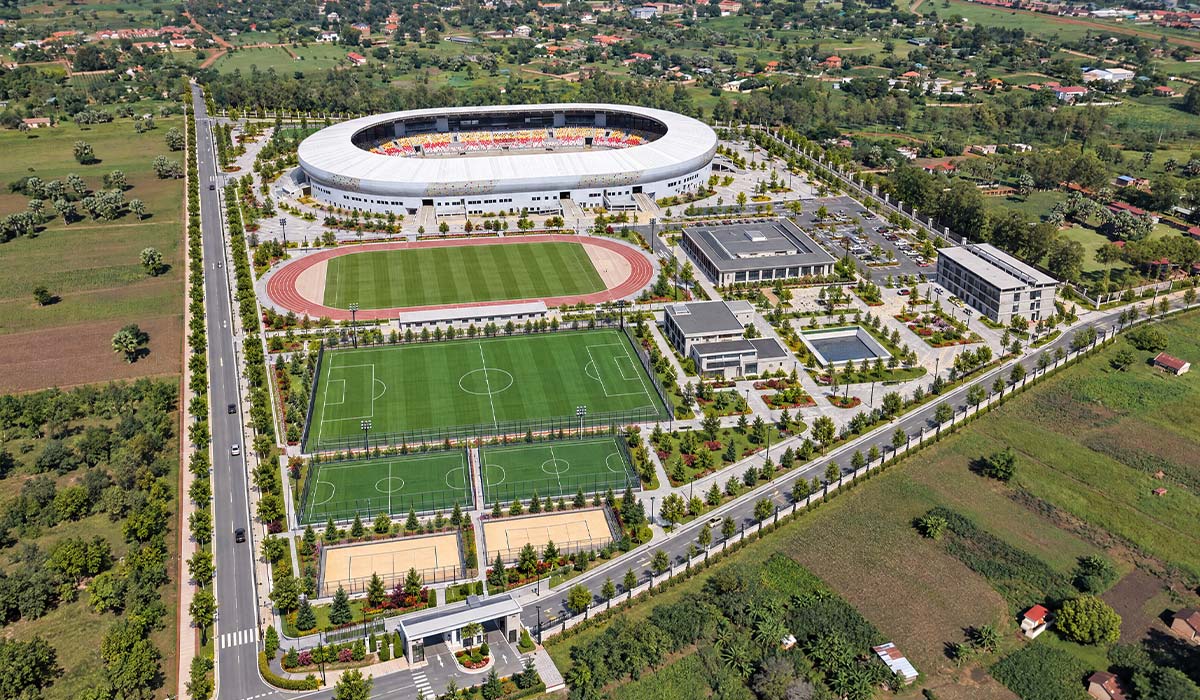
15/10/2026
Bring irrigation, lighting, energy, and security together in a single system with AI-powered smart stadium construction. Discover smart transformation with Integral Spor.

09/09/2026
Flag football is heading to the Olympics in 2028. Here is what investors need to know about field dimensions, construction requirements and the factors that drive cost.
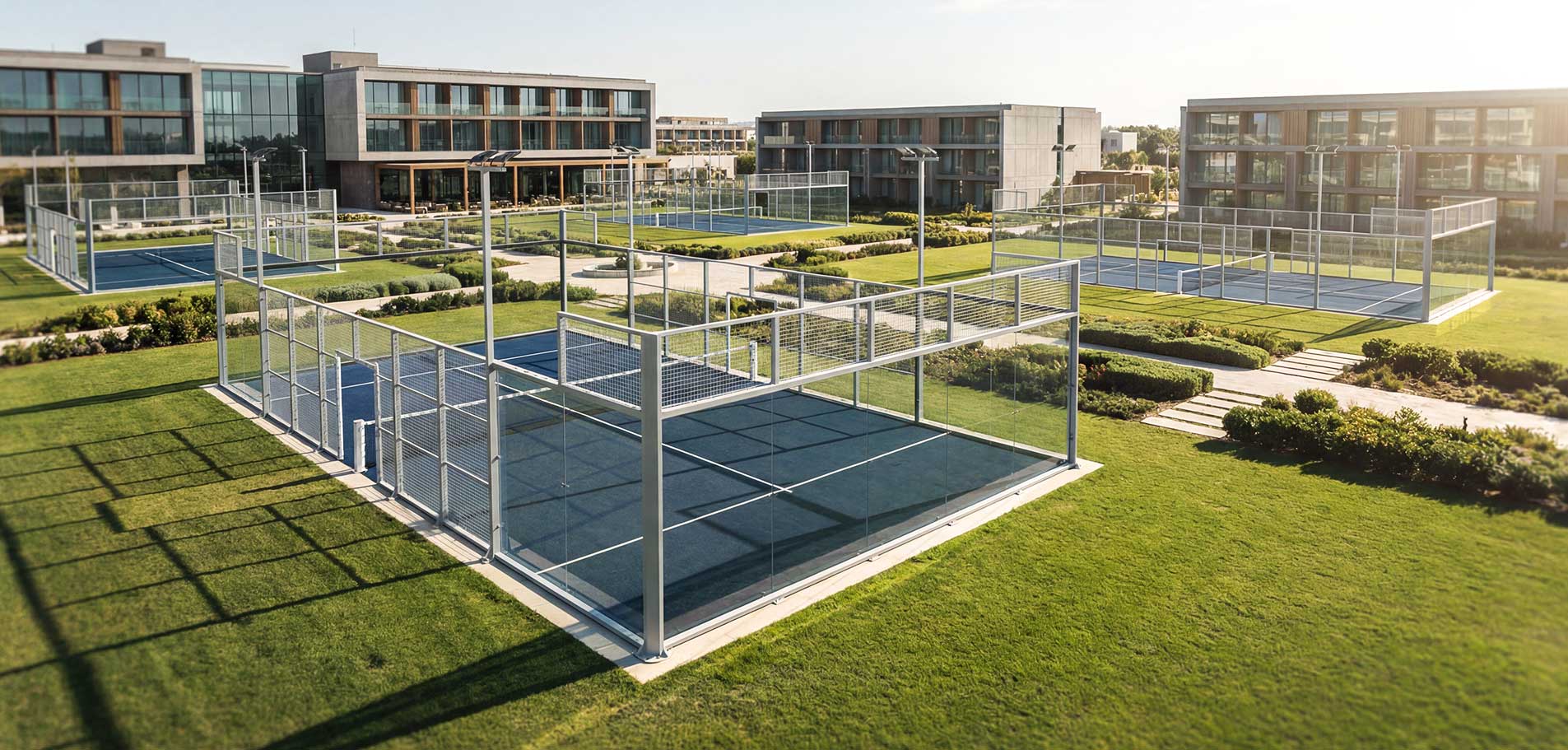
08/09/2026
Converting an unused tennis court into a padel court turns space you already own into a new investment opportunity. Here is how the conversion works, what it costs, and which court type fits your site.
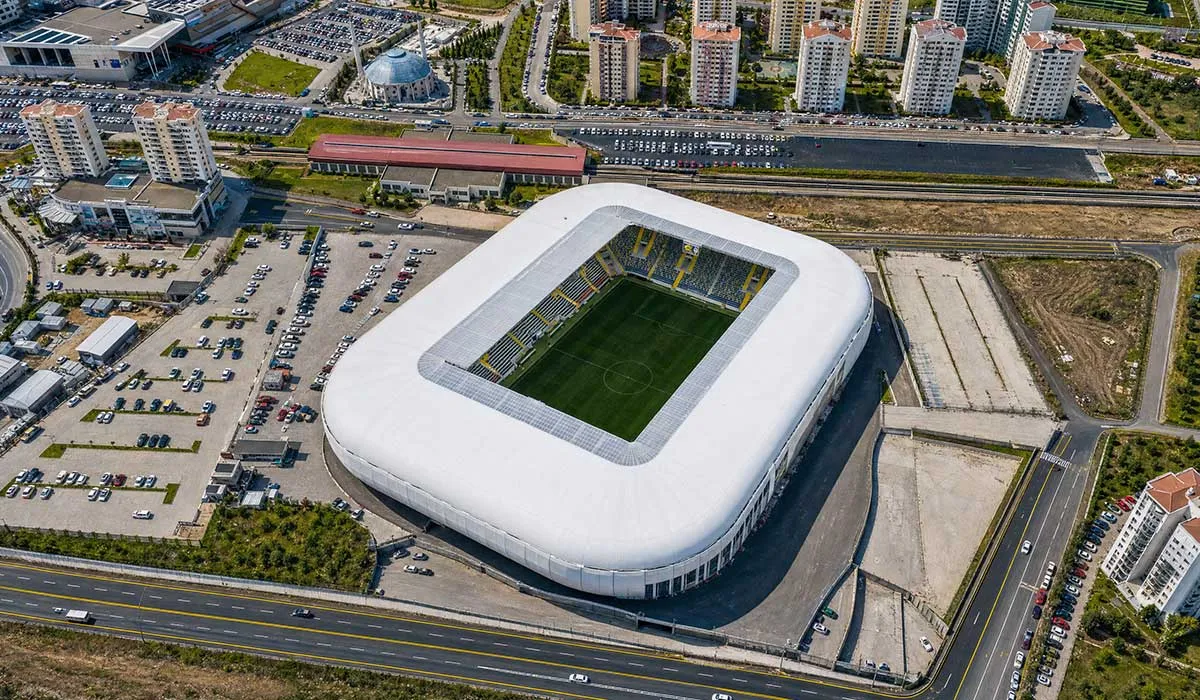
19/08/2026
Renovation, modernization and capacity expansion for existing sports facilities, from stadiums to indoor arenas. Discover how the right engineering can take your venue to the next level.